
Golfer's Elbow
You Don't Have to Play Golf to Get It!
Medial Epicondylitis (Flexor-Pronator Tendinopathy)
By Mark C. Engasser, MD — Board-Certified Orthopedic Surgeon
The inside-elbow pain that isn't just for golfers!
You don't need to own a set of golf clubs to develop golfer's elbow. In fact, you might develop it playing pickleball, lifting weights, gardening, or simply gripping something too tightly.
And if you're gripping your pickleball paddle like you're trying to squeeze the last drop of toothpaste out of the tube, your elbow may eventually complain.
The good news? Most cases improve without surgery.
What Is Golfer's Elbow?
Golfer's elbow, medically known as medial epicondylitis, is a painful condition involving the tendons that attach the wrist flexor and forearm pronator muscles to the bony prominence on the inside of your elbow, called the medial epicondyle.
Although the term ends in -itis, suggesting inflammation, persistent golfer's elbow is often better understood as a tendon-overload problem involving microscopic tissue changes and impaired tendon recovery.
Repeated gripping, wrist flexion, and forearm rotation can overload these tendons.
The result is tenderness and pain along the inside of the elbow, sometimes extending into the forearm.
Common Symptoms
- Pain and tenderness directly over the inside of the elbow.
- Pain when gripping a pickleball paddle, lifting objects, or twisting a jar lid.
- Discomfort with resisted wrist flexion or forearm pronation.
- Reduced grip strength, particularly during painful activities.
- Aching that may extend down the inner forearm.
Important: Numbness or tingling in the ring and little fingers is not typical of isolated golfer's elbow. It may indicate irritation of the ulnar nerve, which passes behind the inside of the elbow.
Why Do Pickleball Players Develop It?
The most common contributors include repetitive gripping and forearm activity, especially when the tendon is exposed to more load than it can comfortably tolerate.
Possible factors include:
- Suddenly increasing playing time or intensity.
- Excessively tight paddle gripping.
- Repeated forceful wrist and forearm movements.
- Inadequate recovery between activities.
- Additional strain from weight training, gardening, or other repetitive activities.
Age-related tendon changes may also reduce the ability to tolerate sudden increases in activity.
Interestingly, the problem isn't always poor technique. Sometimes it's simply too much activity, too quickly, without enough recovery.
How Is It Diagnosed?
Golfer's elbow is usually diagnosed through a medical history and physical examination.
Your physician will look for tenderness near the medial epicondyle and reproduce discomfort with resisted wrist flexion or forearm pronation.
A careful examination should also assess the ulnar nerve and other potential causes of medial elbow pain.
X-rays are generally unnecessary for straightforward cases but may help when arthritis, injury, or another condition is suspected.
Ultrasound or MRI may be considered when symptoms are persistent, the diagnosis is uncertain, or a significant tendon injury is suspected.
Treatment: What Actually Works?
1. Activity Modification
You usually don't have to abandon pickleball completely. Instead, reduce or temporarily avoid activities that significantly aggravate the tendon. Consider shorter playing sessions, less forceful gripping, and adjustments to paddle grip size or technique. The goal is to reduce excessive tendon loading while maintaining comfortable activity.
2. Physical Therapy and Progressive Strengthening
A structured rehabilitation program is one of the most important components of treatment. This may include:
- Gentle stretching when appropriate.
- Progressive wrist flexor and forearm strengthening.
- Eccentric and other resistance exercises.
- Gradual return to gripping and sport-specific activities.
3. Counterforce Bracing
A counterforce strap worn around the proximal forearm may reduce discomfort during some activities. Some patients find it helpful, while others notice little difference. A brace can provide symptom relief, but it does not replace a strengthening program.
4. Medications
Ice and short-term pain-relieving medications may help manage symptoms. Topical anti-inflammatory medications can be useful for some patients. Oral anti-inflammatory drugs require additional caution in older adults, particularly those with kidney disease, gastrointestinal bleeding risk, or cardiovascular conditions. These treatments may relieve pain but do not directly reverse chronic tendon changes.
5. Injections
Corticosteroid injections may provide short-term relief, but recurrence and less favorable longer-term outcomes are concerns. Repeated injections near tendon attachments may also weaken tissue. Platelet-rich plasma (PRP) has been investigated for chronic tendinopathy, but evidence specifically supporting its use for golfer's elbow remains limited and inconsistent. Neither injection should automatically be considered the first treatment.
6. Surgery
Surgery is rarely necessary. It may be considered when substantial symptoms persist despite a prolonged, appropriately supervised nonsurgical treatment program, often for 6–12 months. The operation generally addresses diseased tendon tissue and may include treatment of associated ulnar nerve problems when indicated.
When Should You See a Physician?
Seek an evaluation if:
- Pain persists for several weeks despite reasonable activity modification.
- Symptoms significantly interfere with daily activities or pickleball.
- Grip strength is noticeably reduced.
- Numbness or tingling develops in the ring or little fingers.
- Pain follows a sudden injury or is associated with marked swelling or weakness.
Severe pain after trauma, deformity, fever with a hot swollen joint, or rapidly progressive neurologic symptoms warrant prompt medical assessment.
Can You Keep Playing Pickleball?
Often, yes — with modifications.
Mild discomfort during activity may be tolerable if symptoms do not progressively worsen and return to baseline afterward.
However, playing through increasing pain or significant weakness can prolong recovery.
Gradually increasing playing time as strength and symptoms improve is generally preferable to stopping completely and then immediately returning to several hours of competitive play.
Remember, the goal is to keep playing for years — not just to finish today's match.
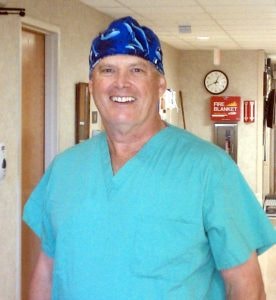
Dr. Engasser's Perspective
Mark C. Engasser, MD
After years of treating orthopedic conditions, I've learned that patients often want a quick solution: a brace, an injection, or perhaps a new paddle.
Sometimes those measures help.
But with golfer's elbow, the underlying problem is usually the tendon struggling to tolerate the demands placed upon it.
“Most cases improve without surgery. Reducing painful overload and gradually rebuilding tendon strength are more important than simply wearing a brace.”
And remember: golfer's elbow is one of the few conditions where you can blame golf even if you've never played a round.
— Mark C. Engasser, MD
Medical Disclaimer: This article provides general medical education and is not a substitute for individualized medical evaluation or treatment.